The main purpose of this ongoing blog will be to track planetary extreme, or record temperatures related to climate change. Any reports I see of ETs will be listed below the main topic of the day. I’ll refer to extreme or record temperatures as ETs (not extraterrestrials).😜
Main Topic: Global Sea Levels Have Been Underestimated Due to Poor Modelling, Research Suggests
Dear Diary. All of us have heard the old adage garbage in garbage out. In the world of climate change this can mean that if models aren’t good items like future planetary heating of sea level rise won’t be correctly forecast. Most climate scientists that I know of are confident with long range global temperature forecasts, but now it appears that poor models have underestimated sea level rise. That’s bad news giving coastal city planners less time to adapt to the climate crisis.
Here are more details from the Guardian:
Global sea levels have been underestimated due to poor modelling, research suggests
Analysis shows average levels are 30cm higher than thought, and up to 150cm in south-east Asia and Indo-Pacific
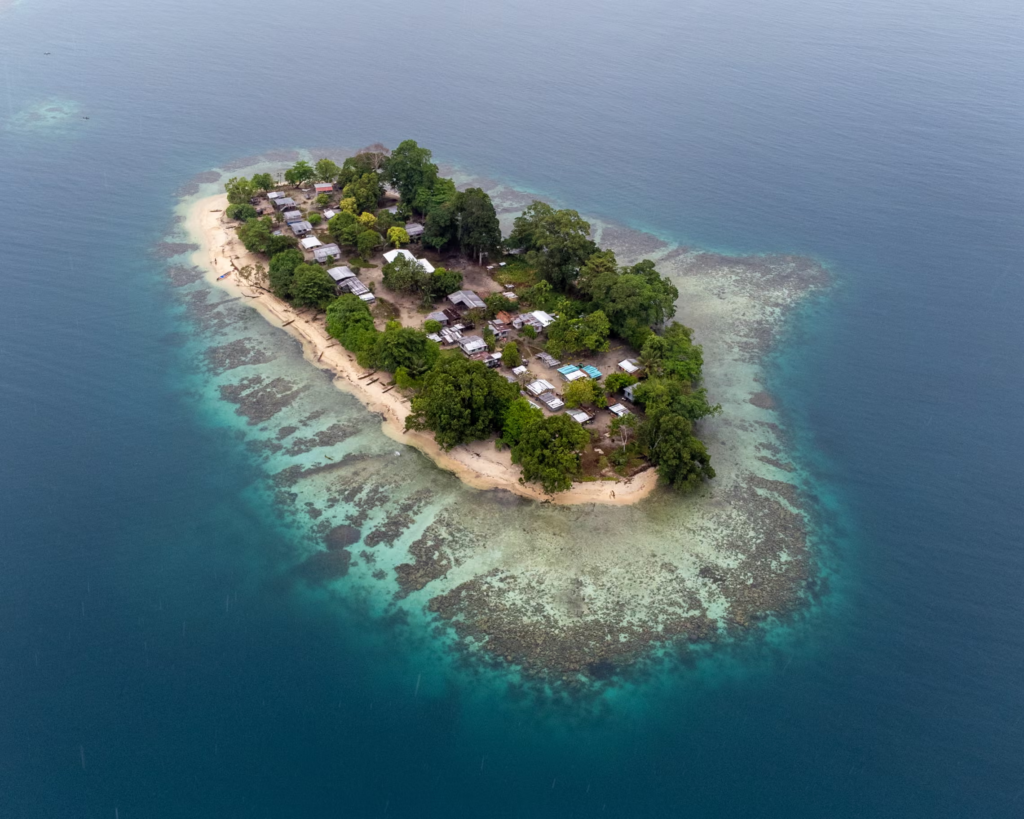
The island of Toruar in eastern Papua New Guinea is threatened by rising sea levels. Photograph: Kalolaine Fainu/The Guardian
Wed 4 Mar 2026
Sea levels around the world have been underestimated due to inaccurate modelling, with research suggesting ocean levels are far higher than previously understood.
The finding could significantly affect assessments of the future impacts of global heating and the effects on coastal settlements.
Globally, the research found ocean levels are an average of 30cm higher than previously believed, but in some areas of the global south, including south-east Asia and the Indo-Pacific, they may be 100-150cm higher than previously thought.
Rising sea levels are a major threat to coastal communities across the world, and the UN Intergovernmental Panel on Climate Change (IPCC) estimates that by 2100 levels may rise by 28-100cm.
The latest research, published in Nature, combined the analysis of 385 pieces of peer-reviewed scientific literature released between 2009 and 2025 with calculations of the difference between the commonly assumed and actual measured coastal sea levels.
Authors Dr Philip Minderhoud of Wageningen University in the Netherlands and PhD researcher Katharina Seeger discovered that more than 90% of these studies did not use local, direct measurements of sea levels but instead used land elevation measurements referenced against global geoid models.
Geoid models provide an estimate of global sea levels based on the Earth’s gravity and rotation.
As a consequence, sea levels were undervalued by an average of 24-27cm, depending on the geoid model used, with some discrepancies as much as 550-760cm.
Minderhoud said: “In reality, sea level is influenced by additional factors such as winds, ocean currents, seawater temperature and salinity.”
The new calculations reveal that following a relative sea level rise of 1 metre, it is estimated that 37% more coastal areas will fall below sea level, affecting up to 132 million individuals.
“If sea level is higher for your particular island or coastal city than was previously assumed, the impacts from sea level rise will happen sooner than projected before,” said Minderhoud.
Describing the discrepancy as an “interdisciplinary blind spot”, the scientists are concerned that a large proportion of the studies analysed in their research, which they believe are inaccurate, are referenced in the most recent climate change reports published by the IPCC.
The study contains ready-to-use coastal elevation data for across the world integrated with the latest sea level measurements and calls for the re-evaluation of existing coastal hazard studies methodology to ensure climate change policies are accurately informed.
More:
Here are some “ETs” recorded from around the U.S. the last couple of days, their consequences, and some extreme temperature outlooks, as well as any extreme precipitation reports:
Here is More Climate News from Monday:
(As usual, this will be a fluid post in which more information gets added during the day as it crosses my radar, crediting all who have put it on-line. Items will be archived on this site for posterity. In most instances click on the pictures of each tweet to see each article. The most noteworthy items will be listed first.)