The main purpose of this ongoing blog will be to track planetary extreme, or record temperatures related to climate change. Any reports I see of ETs will be listed below the main topic of the day. I’ll refer to extreme or record temperatures as ETs (not extraterrestrials).😜
Main Topic: Trump’s Energy Crisis Is Going to Change the World
Dear Diary. No April fooling. Trump’s very ill-advised war on Iran has closed the Strait of Hormuz to tanker traffic, putting a stranglehold on energy from fossil fuels worldwide. And war of any sort is destructive and causes death and suffering to many people. All this has a slim silver lining such that the demand to switch to green renewables has been strengthened. We will see if the planet finally gets off the heroin that is oil in the next decade or so, knowing that it is very hard for addicts of any sort to fundamentally change their ways.
Here are more details from the New York Times:
Opinion | This Energy Crisis Is Going to Change the World – The New York Times
Guest Essay
This Energy Crisis Is Going to Change the World
April 1, 2026
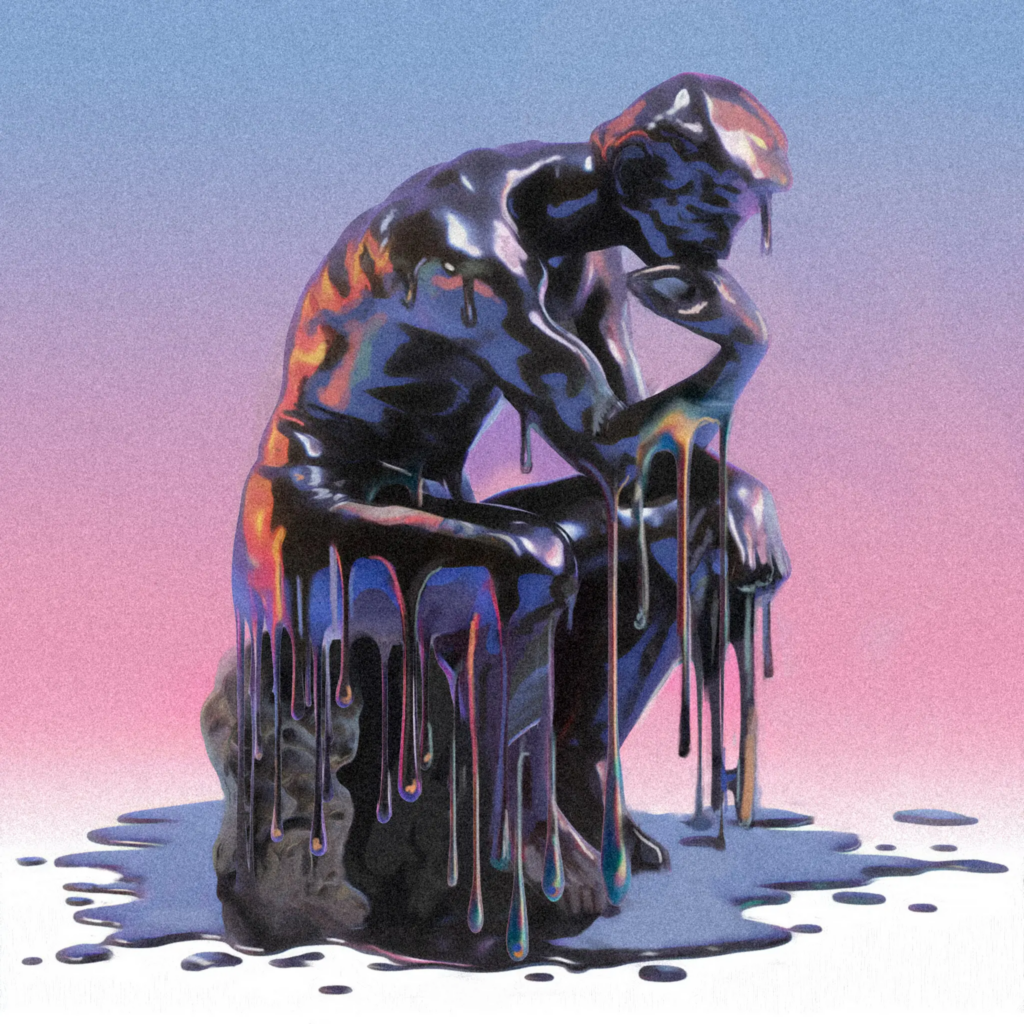
Mark Pernice
By Jonathan Mingle
Mr. Mingle is a journalist and the author of books on climate, energy and air pollution.
Sri Lanka and Myanmar are rationing fuel. The Philippines has instituted four-day workweeks to conserve gasoline and electricity. Bangladesh briefly closed its universities to reserve power for homes and businesses. Across India, families and restaurants are cooking over wood fires for want of gas. Airlines are canceling flights.
As painful as the first phase of the energy crisis set off by the war with Iran has been, what comes next will be worse. This week, the final deliveries of oil and liquefied natural gas to Asia that passed through the Strait of Hormuz before it was closed are expected to arrive. The last tanker shipments to Europe should land by mid-April. After that, many countries’ reserves of gasoline, diesel, liquid petroleum gas and natural gas will dwindle. The price of oil could soar as high as $200 a barrel if the war drags on.
Fatih Birol, the head of the International Energy Agency, has called this “the greatest global energy security threat in history” — much worse than the 1970s oil crisis, the Covid pandemic or Russia’s invasion of Ukraine in 2022. This conflict has disrupted a bigger share of the global oil and gas trade, and there is no way to quickly fill the gap.
Countries such as India, Indonesia and Vietnam are responding to higher gas prices by burning more coal. But over the long term, this shock will accelerate a turn toward cleaner technologies, especially in Asia and Europe. This is the first oil crisis in which clean alternatives to oil and gas — solar panels, wind turbines, electric vehicles and batteries — are both inexpensive and widely available.
The fuel supply crunch has already spurred consumers to embrace these technologies. As the Philippines declared a national energy emergency on March 24, car shoppers in Manila were crowding into showrooms of the Chinese carmaker BYD and purchasing E.V.s . Solar vendors and installers are reporting a sharp rise in interest from German customers. Heat pump installations are on the rise in Britain. Electric rickshaw sales are booming in Pakistan. Induction cooktops are selling out at online retailers in India. In Vietnam, a conglomerate reportedly wants to abandon plans to build the country’s biggest liquefied natural gas-fired power plant and instead pursue a renewables and battery storage project.
Since the war started, the stock market valuation of each of China’s three biggest battery companies has increased by roughly 20 percent, or $70 billion altogether.
For governments weighing how quickly to pivot to clean energy, Pakistan’s recent history may offer some lessons. The country was hit hard by the energy shock that followed Russia’s invasion of Ukraine in 2022. It was unable to afford suddenly exorbitant gas imports, so many of its scheduled shipments were rerouted to wealthier European buyers.
But a deluge of inexpensive solar panels from China has transformed Pakistan’s energy system and helped insulate it from the current scarcity of liquefied natural gas. Solar now generates nearly 30 percent of its electricity, up from just 3 percent in 2020. The Center for Research on Energy and Clean Air has estimated that the solar boom will help Pakistan avoid $7 billion in fossil fuel imports this year. That’s shielding Pakistanis from real pain.
With solar, “you can make a major dent on your fossil fuel reliance in a matter of a couple of years,” Lauri Myllyvirta, the research center’s lead analyst, told me.
That’s important because it could be years before the oil and gas supply is restored to prewar levels. After Iranian missiles struck the Ras Laffan liquefied natural gas export facility in Qatar, the country ceased production of the fuel entirely, suddenly taking 20 percent of the world’s supply off the market. Officials predict it will take three to five years to bring that plant, the world’s largest, fully online again. Other operators in the region also cut back on producing oil and gas because they are running out of places to store it all. Those wells can’t just be flipped back on like a light switch; it will take months to ramp production back up, creating more pressure to find alternatives.
The war will, in some ways, strain the clean energy sector, too. As inflation and interest rates go up, some project developers may struggle to finance new energy installations and grid projects. Supply chains for key items, such as transformers, aluminum and copper wire, now face their own bottlenecks and disruptions. Chaos makes everything — whether you’re building polluting energy infrastructure or clean — harder and more expensive.
Countries such as India will have to make electric grids built for coal flexible enough to incorporate large amounts of wind and solar. To meet the surge in demand for clean tech, governments must decide how much to invest in their own factories to churn out all those solar panels, heat pumps and E.V.s and what tariffs to levy on imported versions, according to Tim Sahay, the co-director of the Net Zero Industrial Policy Lab at Johns Hopkins. But countries and firms can build out renewables much faster than they can construct, say, huge gas liquefaction terminals, pipelines and power plants.
Achieving energy security is now an overwhelming imperative. That means not just installing more wind, solar and batteries but developing domestic clean tech manufacturing capacity and electrifying home heating and transportation. As their energy autonomy improves, more countries will see drastic reductions in health-damaging air pollution and climate-warming emissions.
China has made the most progress along this path: Over the last decade it electrified large shares of its transportation and industrial sectors and cut its oil consumption by over a million barrels per day, giving it a good-sized cushion during the Iran crisis. Chinese companies have pledged to invest more than $227 billion in other countries’ capacity to manufacture E.V.s, chargers, batteries, solar, wind and other clean technologies, according to a recent report by Mr. Sahay’s lab at Johns Hopkins.
China’s reduced exposure to energy turmoil is the fruit of careful planning, Mr. Sahay pointed out, dating back to the 2003 U.S. invasion of Iraq, which prompted a long-term rise in oil prices. Future oil shocks are inevitable. “Electrification will be seen as the shock absorber,” he said.
That option remains available to American consumers, too, who may soon find themselves eyeing electric vehicles and heat pumps — even though the Trump administration has ripped away the incentives that made them more affordable.
Just last week, I listened as the U.S. energy secretary, Chris Wright, speaking in Houston at the world’s biggest annual energy conference, framed the Trump administration’s efforts to encourage oil and gas production as a kind of humanitarian project. “The truth is simple: Energy is life and the world needs massively more of it,” he declared.
If there’s irony here, it’s the tragic kind. The administration’s war of choice has made energy dangerously expensive in nearly every corner of the globe, causing needless suffering. The most fossil fuel-friendly government in recent U.S. history has shown us all just how risky reliance on oil and gas can be — and taught the world that true energy security lies in accelerating toward a cleaner, electrified future.
More on the war and the energy transition

The Iran War Is Revealing the Messy Middle of Our Renewable Energy Transition

Opinion | Ezra Klein, Annie Galvin and Jack McCordick
What Happens if 20 Percent of the World’s Oil Disappears?

Now Is the Perfect Time to Buy an Electric Vehicle
Jonathan Mingle is a journalist and the author of “Gaslight: The Atlantic Coast Pipeline and the Fight for America’s Energy Future.”
The Times is committed to publishing a diversity of letters to the editor. We’d like to hear what you think about this or any of our articles. Here are some tips. And here’s our email: letters@nytimes.com.
Follow the New York Times Opinion section on Facebook, Instagram, TikTok, Bluesky, WhatsApp and Threads.
Here are some “ETs” recorded from around the U.S. the last couple of days, their consequences, and some extreme temperature outlooks, as well as any extreme precipitation reports:
Here is More Climate News from Wednesday:
(As usual, this will be a fluid post in which more information gets added during the day as it crosses my radar, crediting all who have put it on-line. Items will be archived on this site for posterity. In most instances click on the pictures of each tweet to see each article. The most noteworthy items will be listed first.)