The main purpose of this ongoing blog will be to track planetary extreme, or record temperatures related to climate change. Any reports I see of ETs will be listed below the main topic of the day. I’ll refer to extreme or record temperatures as ETs (not extraterrestrials).😜
Here is a new feature for this blog, which I will add daily. This is the latest inciteful Green News Report from my friends Desi Doyen and Brad Friedman at Progressive Voices. Hit ‘continue reading,’ listen, then hit return to see my daily topics:

Green News Report with Brad Friedman & Desi Doyen
Episode: 9/17/2026 — More info…
Dear Diary. Today will be my first post focusing on what climate change is doing to the world’s rivers, which are essential for drinking water, trade, and transportation for most countries. Some rivers worldwide are in jeopardy of dying due to drought, with some going down to a trickle like the Colorado river during the West’s mega drought. Others like the mighty Mississippi get swollen from time to time from flooding and are never in danger of disappearing. Many suffer from pollution with raw sewage being one of the worst aspects of mankind’s footprint on tributaries.
Here is the Guardian’s assessment of the world’s rivers as of 2026:
Down to Earth newsletterEnvironment
The world’s rivers are at breaking point. Can we save them before it is too late?
In this week’s newsletter: As the Guardian launches a year-long project, Our Rivers, we take stock of the issues facing waterways around the world
Down to Earth newsletterEnvironment
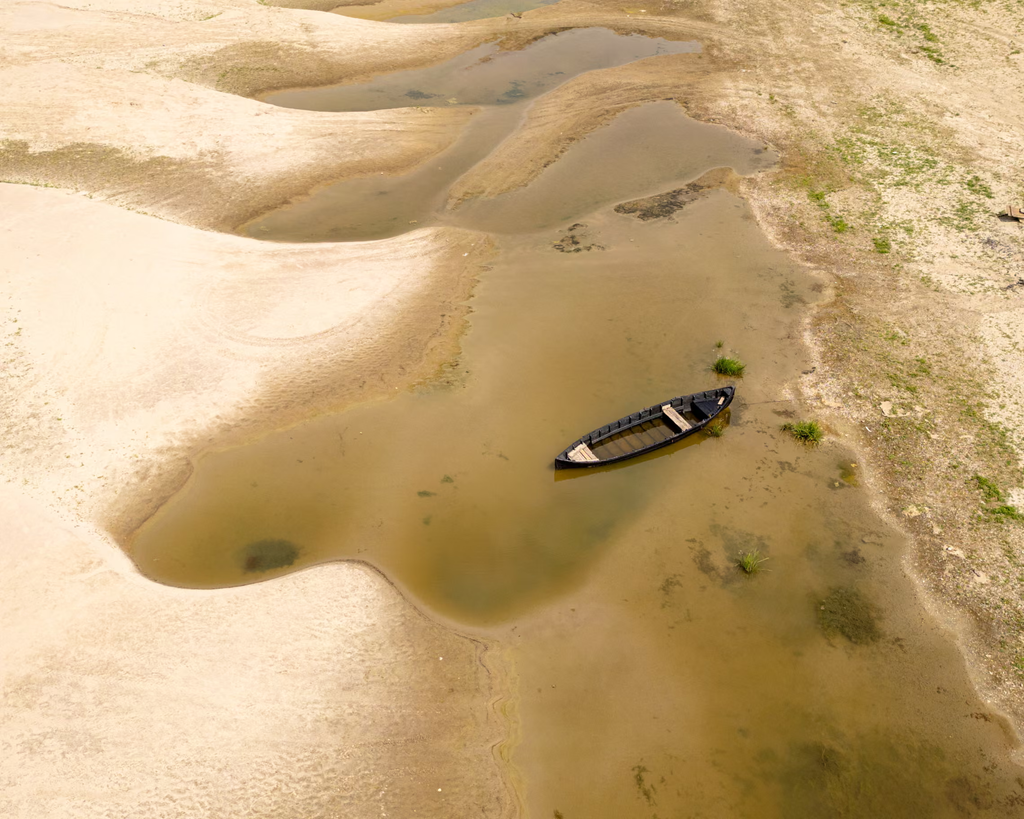
Usually submerged areas of the Danube River are exposed amid exceptionally low water levels, in Rasova, Romania, 3 August 2026. Photograph: Vadim Ghirdă/AP
Fri 18 Sep 2026
The nicknames of the world’s biggest rivers give a sense of how we feel about them: “the great river”, “the river that swallows all rivers”, “Mother Ganga” and “Old father Thames”. They feed and water us, and many other animal species. They carry our trade but also give us cool relief on a hot day. They’re nerve endings, elders and sources of comfort, but also of awe and respect.
And yet many of the world’s rivers are suffering, hit by multiple environmental challenges. A new report out today from the World Meteorological Organization finds that rivers across the world experienced one of the driest years in more than three decades during 2025.
We’ve been focused on water issues for many years, but with Our rivers, a new project that launches this week, the Guardian will spend the next year taking a closer look at the world’s rivers, in good health and bad.
In this week’s newsletter, I wanted to talk about what we’ll cover – but first, this week’s climate headlines.
Essential reads
- Climate crisis probably weakened glacier that caused devastating Nepal-Tibet floods, first study finds
- Who are the 514 people accused of starting French wildfires and what motivates them?
- Benedict Cumberbatch on his Earth-saving eco film: ‘We are in the last grab of the extraction era’
In focus
With Our rivers, we want to dig deeper into the effects our changing climate. Drought is already hitting river systems such as the Amazon and La Plata in Latin America, but there are also challenges from the new timetables of our melting glaciers, and shifting rain patterns. The Ganges and the Brahmaputra in India have both suffered from the changes to the annual monsoon season.
Even the mighty Congo River in Africa, the world’s deepest river (it crosses the equator twice!) has been hit by the climate crisis, drying up, slowly, for the last few decades, due to less rain, a weakening of the Walker circulation and an increase in sea surface temperature in the central eastern tropical atlantic ocean.
But we also want to explore other human impacts. Most of our rivers are now heavily engineered from their source to their outflow into the sea. Political battles are being fought over how that water should be distributed, both between neighbouring states in the case of the Colorado and, in some cases, between countries, such as Egypt and Ethiopia, which have only recently settled a long diplomatic standoff over the division of the Nile.
In some cases, such as the Mississippi River system, our rivers have arguably been over-engineered, with authorities zigzagging over ways to remedy problems they created; the mouth of the river was dug out to improve access but residents are now struggling to cope with the incursion of the ocean.
We’ve put our rivers under tight control but now, in many places, local authorities are seeking to free them up again. China has put huge amounts of money into rebuilding the Yangtze, and is seeing the results: the doubling of fish biomass and rebounding of endangered species shows that the government measures are starting to work, according to biologists.
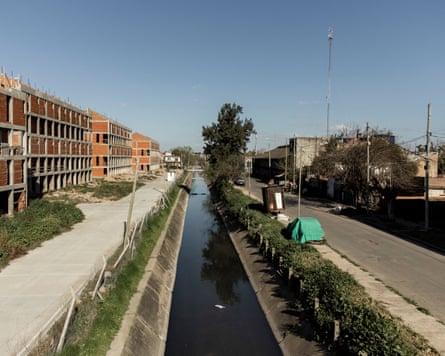
The problem of pollution and sewage is a familiar one, but does not become less enraging with familiarity. Over the years, including in Down to Earth, we have reported on huge amounts of sewage being dumped into UK rivers and, in some places, local communities are now stepping in to try to take back control, in a way that central government seems, so far, unwilling to do. But the UK is not the only country that has poisoned its rivers; the Reconquista River in in Buenos Aires is Argentina’s second most contaminated river (after the Riachuelo). Scientists have recently created an “organic” solution for the pollution and our reporters have gone there this week to speak to communities around the river about the way forward.
Over the next year we’ll explore these stories with this project, and look at our sense of ownership of our rivers, the love and passion that people feel for them. We always want to hear from our readers across the globe, so please do let us know what you think by replying to this email or getting in touch on downtoearth@theguardian.com.
To read the complete version of this newsletter – subscribe to receive Down to Earth in your inbox every Thursday.
Here are some “ETs” recorded from around the U.S. the last couple of days, their consequences, and some extreme temperature outlooks, as well as any extreme precipitation reports:
Here is More Climate News from Sunday:
(As usual, this will be a fluid post in which more information gets added during the day as it crosses my radar, crediting all who have put it on-line. Items will be archived on this site for posterity. In most instances click on the pictures of each tweet to see each article. The most noteworthy items will be listed first.)